
In the collection
10 records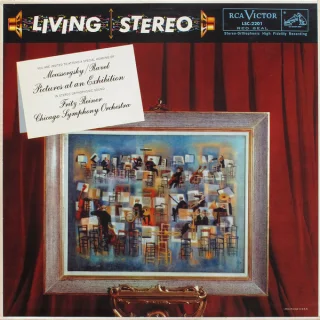 Pictures At An Exhibition
Moussorgsky / Ravel, Fritz Reiner, Chicago Symphony Orchestra, 1958
Pictures At An Exhibition
Moussorgsky / Ravel, Fritz Reiner, Chicago Symphony Orchestra, 1958
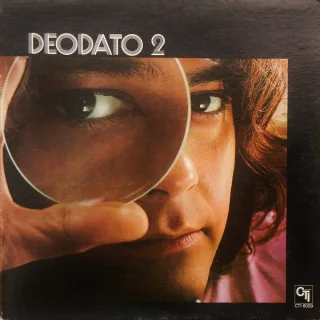 Deodato 2
Deodato, 1973
Deodato 2
Deodato, 1973
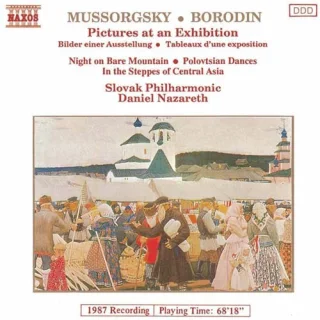 Pictures At An Exhibition • Night On Bare Mountain • Polovtsian Dances • In The Steppes Of Central Asia
Mussorgsky / Borodin • Slovak Philharmonic - Daniel Nazareth, 1988
Pictures At An Exhibition • Night On Bare Mountain • Polovtsian Dances • In The Steppes Of Central Asia
Mussorgsky / Borodin • Slovak Philharmonic - Daniel Nazareth, 1988
 Iberia
Various, 1995
Iberia
Various, 1995
 La Aurora
Various, 1995
La Aurora
Various, 1995
 Orquesta Espectacular
Various, 1996
Orquesta Espectacular
Various, 1996
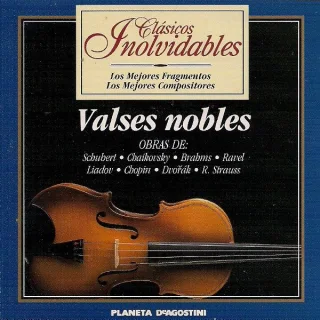 Valses Nobles
Various, 1996
Valses Nobles
Various, 1996
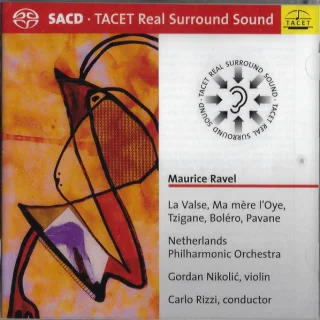 Maurice Ravel: La Valse, Ma mere l’Oye, Tzigane, Bolero, Pavane
Maurice Ravel, Nederlands Philharmonisch Orkest, Gordan Nikolitch, Carlo Rizzi, 2013
Maurice Ravel: La Valse, Ma mere l’Oye, Tzigane, Bolero, Pavane
Maurice Ravel, Nederlands Philharmonisch Orkest, Gordan Nikolitch, Carlo Rizzi, 2013
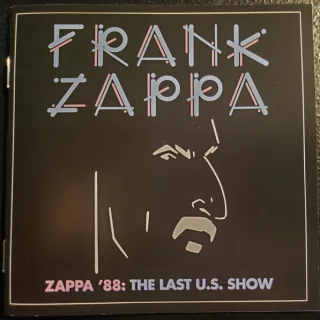 Zappa ‘88: The Last U.S. Show
Frank Zappa, 2021
Zappa ‘88: The Last U.S. Show
Frank Zappa, 2021
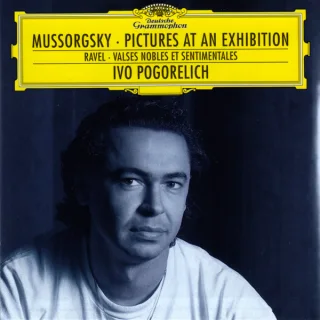 Pictures At An Exhibition / Valses Nobles Et Sentimentales
Mussorgsky / Ravel, Ivo Pogorelich
Pictures At An Exhibition / Valses Nobles Et Sentimentales
Mussorgsky / Ravel, Ivo Pogorelich
Played with
 Philharmonia Slavonica
4 records together
Philharmonia Slavonica
4 records together
 Modest Mussorgsky
3 records together
Modest Mussorgsky
3 records together
 ORF Symphonieorchester
3 records together
ORF Symphonieorchester
3 records together
 Alfred Scholz
3 records together
Alfred Scholz
3 records together
 Henry Adolph
3 records together
Henry Adolph
3 records together
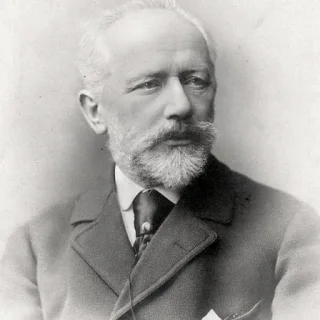 Pyotr Ilyich Tchaikovsky
3 records together
Pyotr Ilyich Tchaikovsky
3 records together
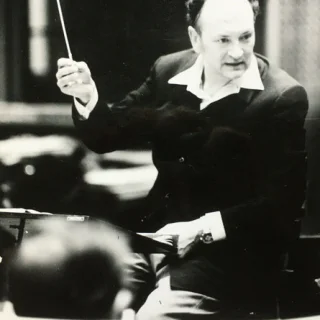 Milan Horvat
3 records together
Milan Horvat
3 records together
 Dubravka Tomsic
2 records together
Dubravka Tomsic
2 records together
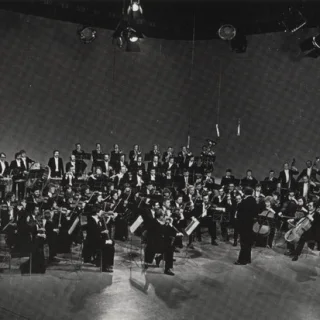 Simfonični Orkester RTV Ljubljana
2 records together
Simfonični Orkester RTV Ljubljana
2 records together
 Alberto Lizzio
2 records together
Alberto Lizzio
2 records together
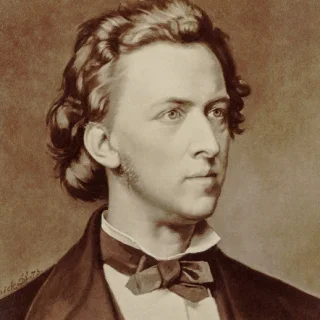 Frédéric Chopin
2 records together
Frédéric Chopin
2 records together
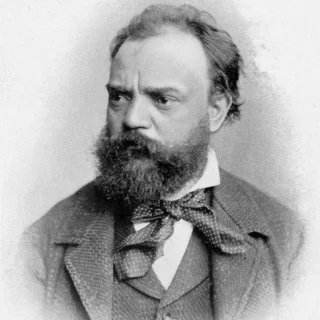 Antonín Dvořák
2 records together
Antonín Dvořák
2 records together
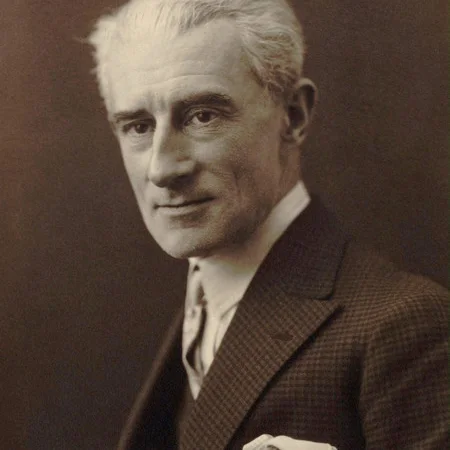
About
French composer, pianist and conductor, born March 7, 1875 in Ciboure, France, died: December 28, 1937 in Paris, France.
He is often associated with impressionism along with his elder contemporary Claude Debussy, although both composers rejected the term.
In his piano compositions you can find harpsichord style ideas, references to the Baroque, impressionist procedures and reminiscences of romantic pianism.
His music is characterized by a refined timbre and harmonic research; even if its layered and dissonant harmonic structures still remain in the tonal sphere, the traditional harmonic relationships are brought to an extreme tension (particularly in the last works).
His orchestral compositions are detached from the Germanic symphonic tradition, in these works the rhythmic and timbral elements are highlighted as well as themes inspired by Spanish folklore can be found.
Ravel’s entire production, from the youthful and brilliant “Quartet for strings” (1902-1903) to the “Piano Concerto for the left hand” of 1931, is a succession of precious works that are to be considered among the masterpieces of the music of twentieth century
In the 1920s and 1930s Ravel was internationally regarded as France’s greatest living composer.